

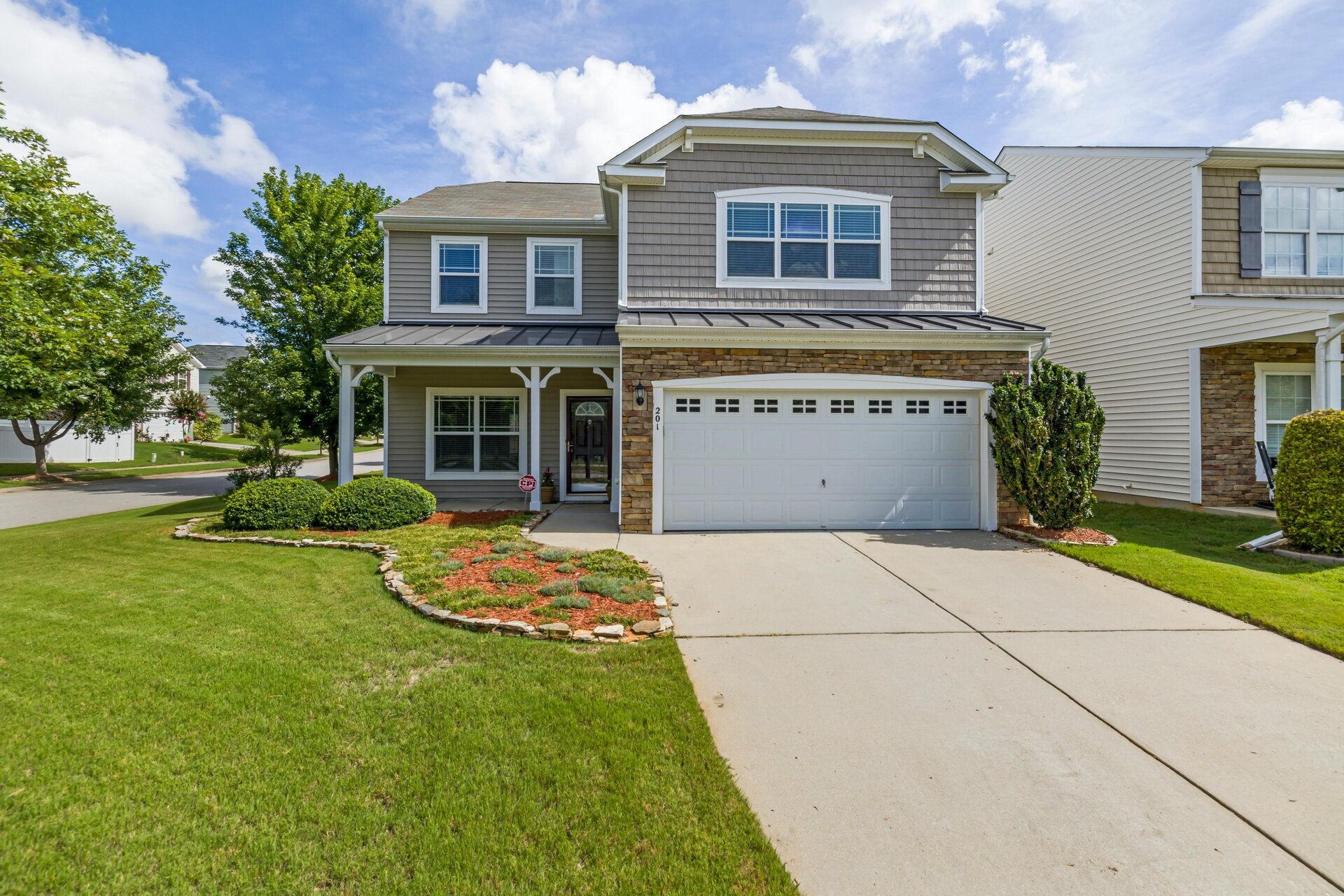
Residential Inspections Condos and Town Houses
Our residential home, condo, and townhouse inspections include a thorough review of the home’s siding, roofing, plumbing, electrical, HVAC systems, sidewalks, decks, gutters, and vents to ensure safety and quality.
Our team of experienced professionals ensures a detailed inspection, providing peace of mind for homeowners.
- 22 years of experience in the home business
- Certified Professional Inspector (CPI)
- Detailed assessment of all exterior elements
Commercial Inspections
Our Commercial Inspections offer a comprehensive evaluation of the building's exterior, identifying any potential issues or areas of concern for property owners or investors.
We offer reliable evaluations for commercial properties, helping investors make informed decisions.
- Expertise in commercial properties
- In-depth evaluation for property owners and investors
- Identification of potential issues and areas of concern

Exterior Assessments
Our Exterior Assessments focus on the outer elements of the property, such as the siding, roofing, and landscaping, to provide a complete overview of the condition and maintenance needs of the home or building.
Trust us to assess the condition of your property's exterior and recommend necessary maintenance.
- Focus on outer property elements
- Evaluation of siding, roofing, and landscaping
- Assessment of maintenance needs

Contact us Have a question? Please fill out the form below and we’ll get back to you ASAP.
Location
Serving Central Florida.
34747 Kissimmee
Home Inspection Services cpi one of the BEST home inspection companies in central Florida .
Residential Home Inspection
A residential home inspection will help protect you from costly repairs and hidden safety hazards. At (Home Inspection CPI) we always conduct a thorough inspection and provide a non biased report on the condition of the home. After the inspection we are always available to answer questions.
Why Do you Need a 4 Point Inspection?
If you want to buy a new home or get homeowner's insurance, you may need a 4-point inspection. Before issuing a policy for a property, many insurance companies require a 4-point inspection. This is because the inspection provides them with vital information about the condition of the roof, electrical system, plumbing, and HVAC system, all of which are critical factors in determining a property's overall safety and risk.
Wind Mitigation Inspection
Wind mitigation inspection is not a complete home inspection but rather an inspection that focuses on the structural features of a property that can help reduce damage from high winds, such as hurricanes and tropical storms. Insurance companies frequently require this inspection to qualify for windstorm insurance or to receive discounts on windstorm insurance premiums.
A wind mitigation inspection is intended to evaluate the overall strength and stability of a property's roof and walls and other structural features that can help protect the property from wind damage. The inspector will look for specific construction features and building codes that improve a home's wind resistance.
During the inspection, the inspector will look for things like:
-
the type of roof covering and its age
-
the type of roof decking and its fastening
-
the roof-to-wall connections
-
the type of roof shape, gable end bracing
-
the presence of shutters, window, and door protection and their type
-
the type of foundation and wall construction
-
and many other features.
Why you may need a WDO inspection:
-
To detect active infestations of termites and other wood-destroying organisms: The most important reason for a WDO inspection is to detect active infestations of wood-destroying insects and organisms. These pests can cause significant damage to the structure of a property, making it unsafe to live in and costly to repair.
-
To meet lender requirements of a mortgage company: Many mortgage lenders require a WDO inspection as a condition of loan approval. They want to ensure that the property you purchase is free from wood-destroying insects before they approve a loan.
-
To meet insurance requirements: Some home insurance companies also require a WDO inspection as a condition of coverage. They want to ensure that the property is free from wood-destroying insects and that their policy will cover any damage caused by pests.
Appreciating their selfless service, we proudly offer significant deep discounts to these community heroes. This program is our way of saying thank you and helping them in their journey toward homeownership or property management.
HOME INSPECTION CPI
Tel (407) 968-3092
Certified Professional Home Inspectors.
serving all of Central Florida. and Surrounding area
Contact us Schedule Home Inspection message us details:




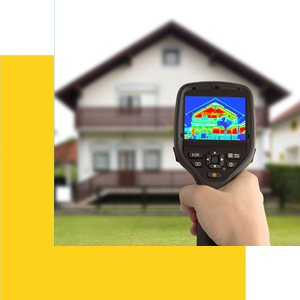


What a home inspection is—and why it matters
A home inspection is an objective assessment of a property's physical condition. Unlike a home appraisal, which determines market value, an inspection evaluates whether the home is sound and identifies problems with major systems like plumbing, electrical, HVAC, and roofing.
The inspection is especially important because it happens early in the process—after you've determined how much house you can afford and found the right house, but before you're locked into the purchase. Most purchase contracts include an inspection contingency, giving you the right to negotiate repairs, request a price reduction, or walk away if serious issues are found.
After you make an offer on a home and the seller accepts, there's a critical step before you close: the home inspection. This thorough evaluation of the property's condition protects you from buying a house with hidden problems that could cost thousands down the line.
A home inspection reveals issues you can't see during showings—problems with the foundation, roof, electrical, plumbing, and more. It happens early in the process, typically within 7-10 days of your offer being accepted, and gives you leverage to negotiate repairs or walk away if serious issues emerge. Your mortgage lender may also require certain repairs before approving your loan.
Here's what a home inspection is, how to choose the right inspector, what they'll look for, and what to do once you get the report.
What a home inspection is—and why it matters
A home inspection is an objective assessment of a property's physical condition. Unlike a home appraisal, which determines market value, an inspection evaluates whether the home is sound and identifies problems with major systems like plumbing, electrical, HVAC, and roofing.
The inspection is especially important because it happens early in the process—after you've determined how much house you can afford and found the right house, but before you're locked into the purchase. Most purchase contracts include an inspection contingency, giving you the right to negotiate repairs, request a price reduction, or walk away if serious issues are found.
Even if a house looks perfect, an inspector can uncover hidden problems like water damage, faulty wiring, or a failing roof. Catching these before closing gives you leverage to negotiate or decide if the home is worth the investment. Your lender may also require certain repairs before approving your mortgage, especially for FHA or VA loans.
In the months and years following the pandemic, many buyers bought homes sight-unseen and waived inspections. This trend should not be repeated.
“The inspection process has returned to a healthier, more balanced place,” says Lisa Patterson, a real estate agent with Sotheby's International Realty. “Today’s buyers are more informed and more strategic. Inspections are once again a standard, essential step, and buyers expect transparency and smart negotiation rather than risky shortcuts.”
Frequently asked questions
What does a home inspection typically include?
Major systems like roof, foundation, electrical, plumbing, HVAC, plus structural components and visible safety hazards. Specialized tests like radon or pest inspections are separate.
How long does a home inspection usually take?
Most take two to four hours depending on the home's size, age, and condition.
Can a home inspection affect the sale price?
Yes. If significant problems are found, you can negotiate a lower price, request repairs, or ask for a credit.
What issues are considered deal breakers after an inspection?
Major structural problems, foundation issues, extensive mold, failing septic systems, or serious electrical/plumbing defects. It depends on your budget and repair tolerance.
Is it possible to back out of a home purchase after the inspection?
Yes. Most contracts include an inspection contingency allowing you to cancel and recover your earnest money if you're not satisfied with the findings.
BOOK ONLINE UP OBOVE fill out form:
Home Inspections, we strive to make your home inspection process as smooth and convenient as possible. That's why we've introduced our Quick & Easy Online Booking page. Booking an inspection has never been easier, and it only takes a few moments of your time!
Follow these simple steps to get started:
-
Enter Your Name: So we know who to contact and address.
-
Phone Number: Make sure to include a valid number so we can reach you quickly.
-
Email Address: We'll send you important updates and confirmations about your inspection.
-
Inspection Address: Let us know the property address that needs to be inspected.
-
City, State, and Zip Code: This helps us pinpoint the exact location of the inspection.
-
Detailed Message: If you have any specific concerns or information regarding the property, feel free to share them here. Whether it’s a specific area you want us to focus on or questions you might have, we're all ears!
Once you submit your details, our team will review your request and return your call ASAP to confirm your appointment and discuss any additional information you need.
Thank you for choosing Dream Home Inspections! We look forward to providing you with a thorough and reliable inspection.
How to choose a qualified home inspector
Not all inspectors are equally qualified. Look for someone licensed in your state (where required) with certifications from organizations like the InterNACHI. Home Inspection Services CPI
When it comes to cost, avoid the cheapest option—going with the low-cost inspector is a common mistake, since cutting corners here can cost you far more if problems go undetected.
What happens during a home inspection
Most experts recommend attending the inspection. That said, don't show up and try to do the inspection alongside the professional.
“I always recommend buyers attend the inspection, but with the right approach,” says Patterson. “Buyers should share specific concerns with the inspector ahead of time, then let the inspector do their work without interruption. The most valuable part is the end of the inspection—when findings are reviewed, priorities are explained, and buyers gain a clear understanding of maintenance expectations and long-term planning.”
A typical inspection takes two to four hours. The inspector examines major systems and structural components, including:
-
Exterior: roof, gutters, siding, foundation, drainage
-
Structural: foundation, framing, load-bearing walls
-
Electrical: panel, wiring, outlets
-
Plumbing: pipes, fixtures, water heater
-
HVAC: heating and cooling systems, ventilation
-
Interior: walls, floors, windows, doors
-
Attic/basement: insulation, moisture, foundation cracks
-
Appliances: built-in items included in the sale
The inspector notes anything broken, outdated, or showing wear, and flags safety hazards like mold or faulty wiring. You'll receive a detailed report with photos within 24-48 hours.
Common problems found during home inspections
Most inspections uncover at least a few issues. Common findings include:
-
Roof problems such as leaks, missing shingles, or wear
-
Plumbing issues like leaky pipes, old plumbing, faulty water heaters
-
Electrical concerns including outdated wiring, overloaded panels, safety hazards
-
HVAC failures and aging systems
-
Foundation cracks or settling
-
Water damage or mold
-
Poor drainage directing water toward the foundation
-
Missing safety features like smoke detectors
Keep in mind: Minor repairs are normal. Don’t let them scare you off unnecessarily.
“Homebuyers often initially get scared of purchasing a home once they see the inspection report, as those reports contain even the most minute details,” says Adie Kriegstein, a real estate agent with Compass. “Some of the items should be interpreted as simple ‘awareness’ of the property and how it functions. In other words, don’t worry about the line items, but focus on the larger picture.”
Major problems like foundation cracks, extensive mold, or failing systems can cost tens of thousands to fix and may be deal-breakers.
“The most important items are those that affect the structural integrity of the home, and things related to moisture,” says Kriegstein. “Negotiate on the largest issues first and work your way down from there.”
What to do after the inspection report
Review the report with your real estate agent and decide which issues matter most. You have several options, including requesting repairs, negotiating a price reduction, or accepting it as is. You can also walk away at this stage, depending on your deal structure.
“Buyers do walk away when inspections uncover significant, unexpected issues that materially change the cost or risk of ownership,” says Patterson.
That doesn’t mean it should be the first option.
“In many cases, negotiating a credit instead of repairs gives buyers more control, allowing them to hire their own contractors and ensure the work is done correctly,” Patterson says. Use an affordability calculator or mortgage calculator to understand how a reduction or credit affects your overall budget and monthly payment.
Before closing, you'll do a final walk-through to confirm any agreed-upon repairs were completed. The inspection gives you the information to make a confident decision about whether this is the right house at the right price.
Patterson encourages buyers not to think of the inspection as a pass-or-fail moment.
“Every home has issues. The key is understanding which findings impact safety, value, or long-term costs—and which are simply part of normal homeownership.”
Create Your Own Website With Webador